
Sort by
Sold Out
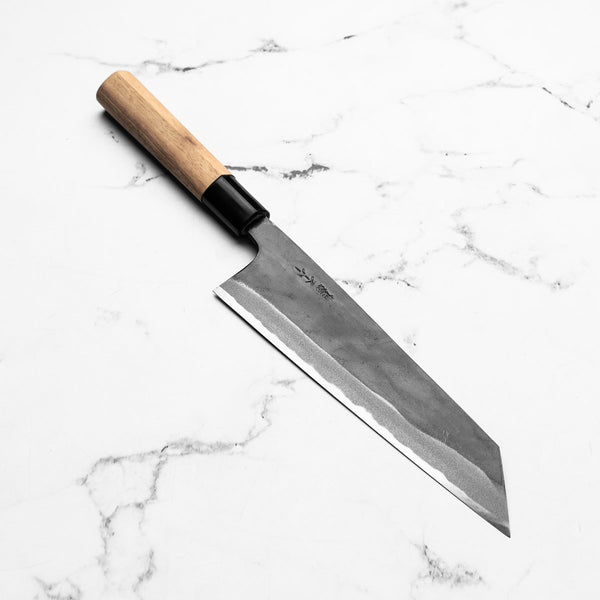
Zakuri Blue Super Bunka 180mm
Sold Out
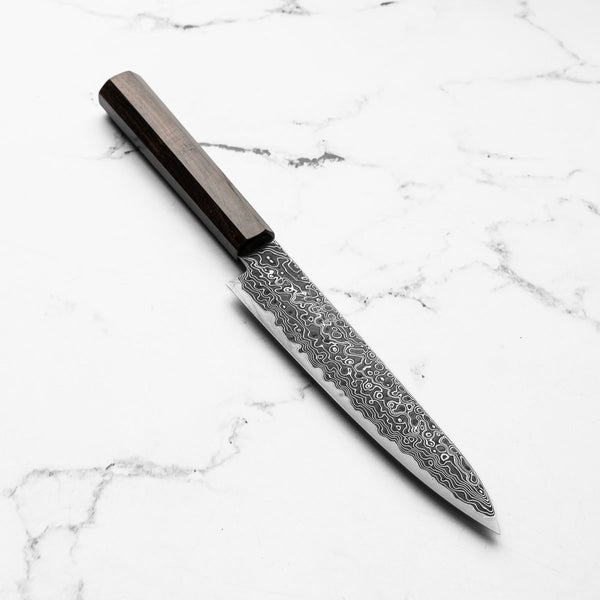
Hatsukokoro Ryuhyo Kurozome SG2 Damascus Petty 150mm - Ebony
Sold Out
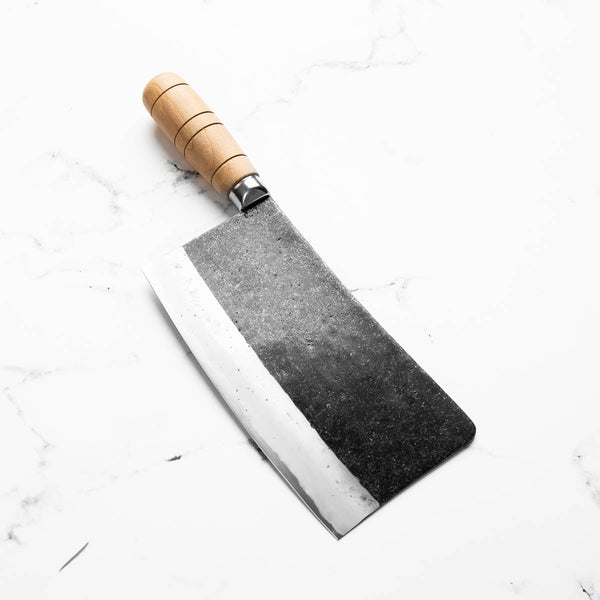
Hatsukokoro Sentan Blue 2 Kurouchi Cleaver 190mm
Sold Out
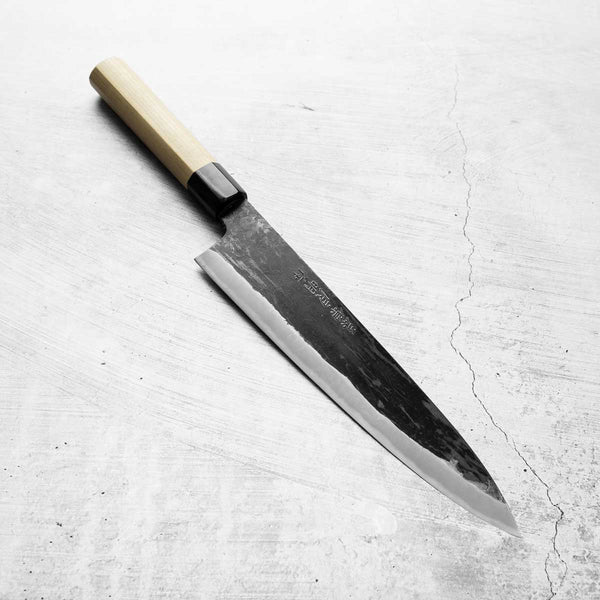
Kiyoshi Kato Blue 2 Gyuto 255mm
Sold Out
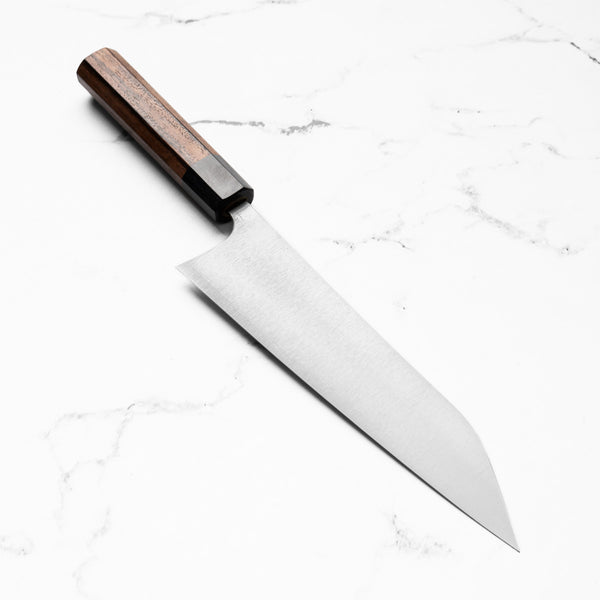
Shibata Koutetsu Chromax Gyuto 210mm - Rosewood
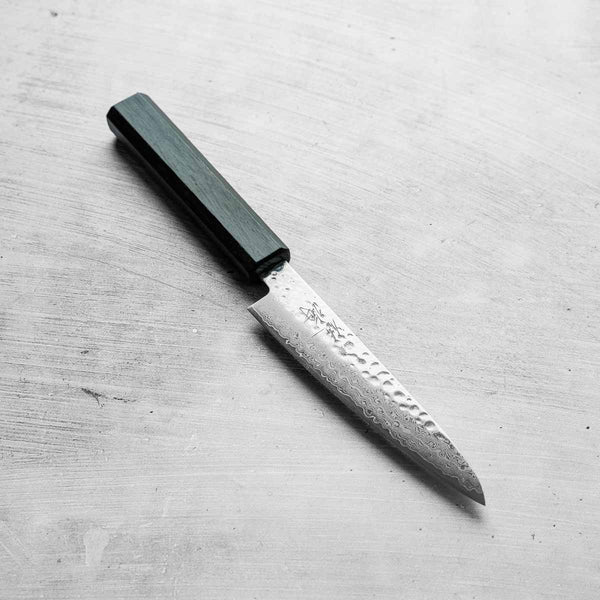
Sold Out
Touroku Sakai Kagayaki VG10 Damascus Tsuchime Petty 130mm
2 sizes available
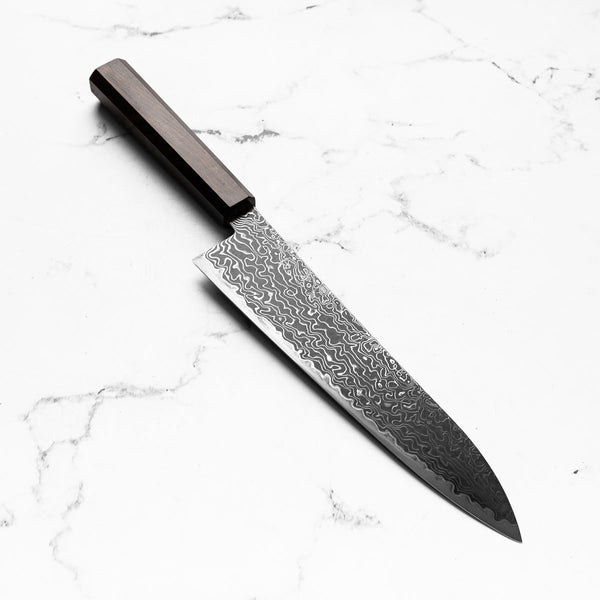
Sold Out
Hatsukokoro Ryuhyo Kurozome SG2 Damascus Gyuto 210mm - Ebony
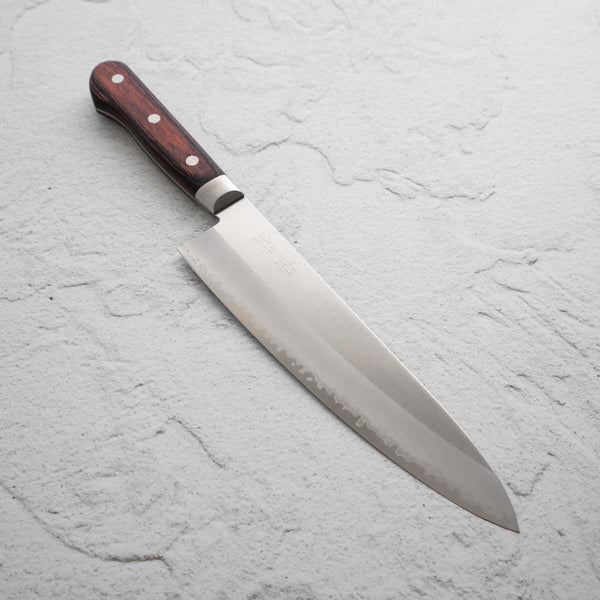
Sold Out
Senzo Clad AUS10 210mm Gyuto
★★★★★
★★★★★
(4)
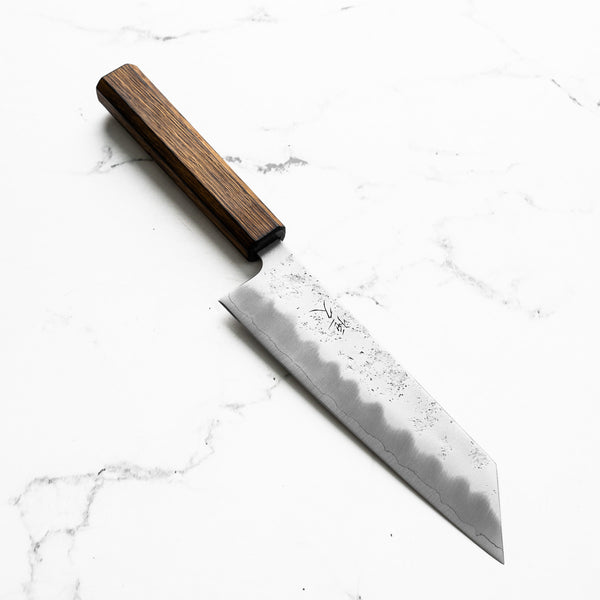
Sold Out
Tsunehisa Ginsan Nashiji Bunka 165mm - Dark Oak
★★★★★
★★★★★
(8)
Showing 1409–1417 of 1417 products
Filter & Sort
Sort By

◆ Common Questions
Shopping for Shop All Japanese Chef Knives
What makes a Japanese chef knife different?
Japanese chef knives are typically harder, thinner, and sharper than Western equivalents. The steel is harder (60+ HRC vs 56-58 HRC for German), the grind is thinner behind the edge, and the result is better precision and edge-holding at the cost of more careful handling.
What's the best first Japanese knife?
For most home cooks, a santoku or gyuto around 165-210mm in a stainless steel like VG10 or Ginsan. Low maintenance, versatile, forgiving for someone new to Japanese knives.
Carbon vs stainless Japanese knives: which should I buy?
How do I care for a Japanese knife?
Hand wash only, dry immediately, store on a magnetic strip or in a knife roll, sharpen regularly on a whetstone, never use glass or stone cutting boards (soft wood or plastic only).
How often should I sharpen my Japanese knife?
Home cooks using daily: full sharpen every 2-3 months on a whetstone. Pro chefs: weekly. Honing (realigning the edge) between sharpenings keeps the edge straight.