
Knife Knowledge
Learn. Sharpen. Master.
Everything we know about Japanese knives, from first purchase to blacksmith sourcing. Guides, maker stories, sharpening tutorials, and more.
Splash-and-Go vs Soaking Whetstones: Which One Should You Buy?
Should I get a soaking stone or should I get a splash-and-go stone? It's a question we get asked very often. Here's h...
Santoku vs Bunka: Which Japanese Chef Knife Should You Choose?
Should I pick a santoku or a bunka? This one might come down to personal preference, but here's what you need to know...
 2:05 Video
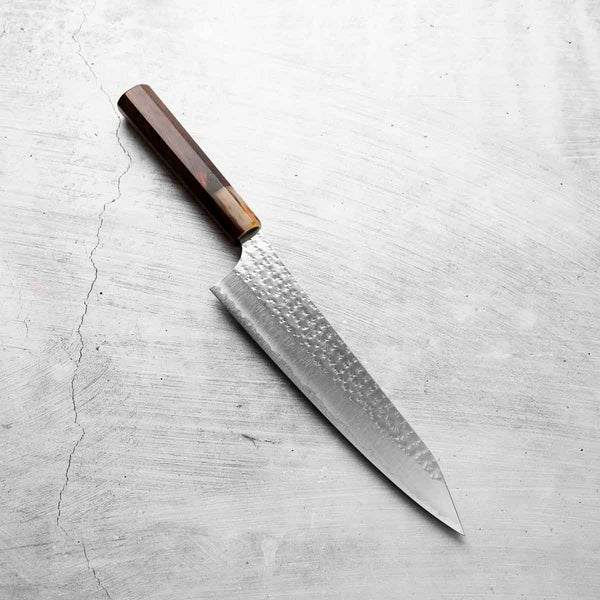
Gyuto vs Santoku: Which Should Be Your First Japanese Knife?
Gyuto or santoku? Both are excellent, versatile Japanese kitchen knives and there is no wrong choice. We typically su...
 3:18 Video
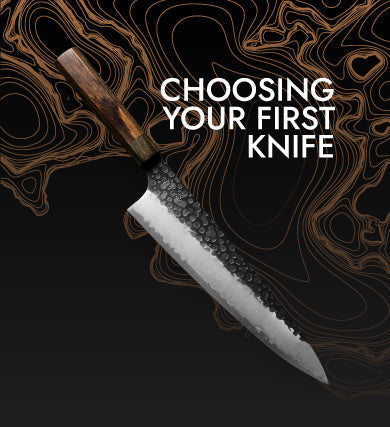
How to Choose Your First Japanese Knife
A simple guide to choosing your first Japanese knife: the two or three blade shapes worth considering, why stainless ...
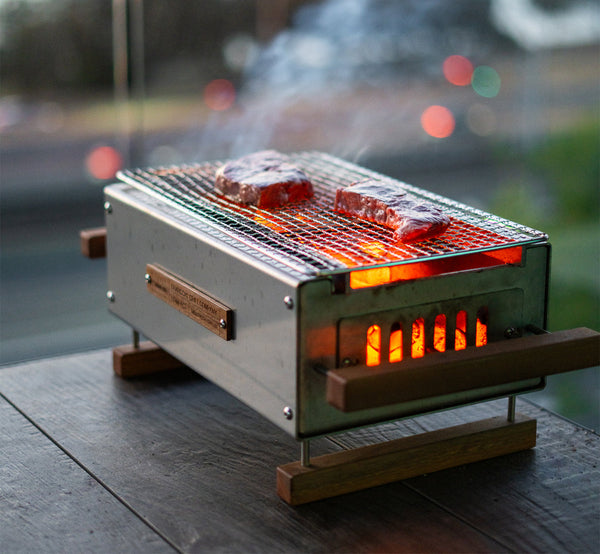
How to Clean and Maintain Your Hibachi Grill: Expert Care Guide
Essential hibachi cleaning to help preserve your hibachi grill's performance and extend its lifespan.
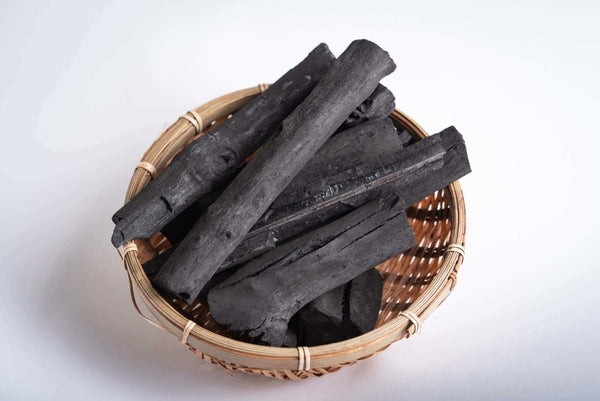
How to Light Binchotan Charcoal in Your Hibachi Grill
Master the art of lighting binchotan charcoal with our comprehensive guide. Learn traditional and modern methods, exp...
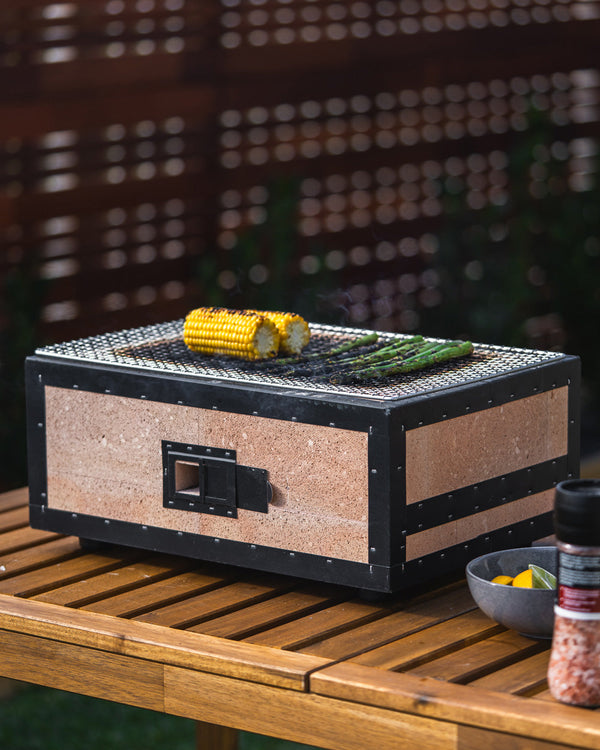
Hibachi Grill: Complete Setup Guide
Master your hibachi grill setup with our comprehensive guide. Learn proper placement, safety tips, and essential tool...
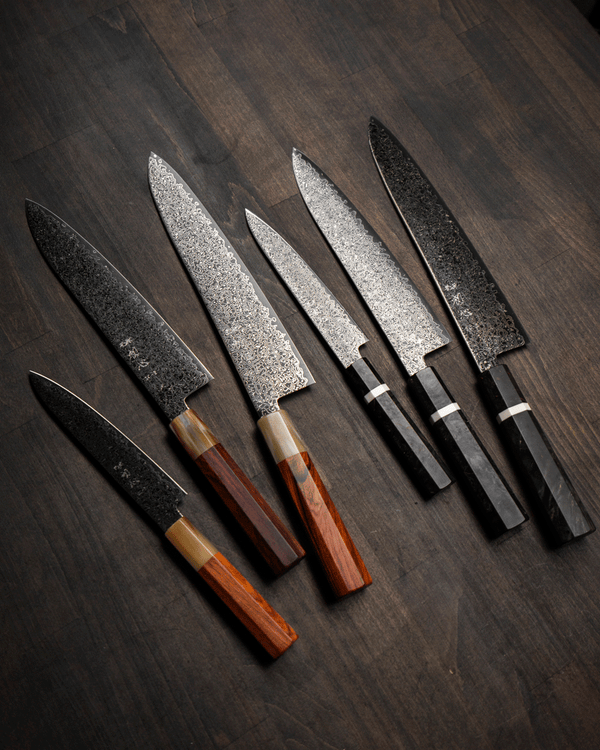 Chef Knives
Where to Buy Japanese Knives: Discover Chef's Edge
When it comes to purchasing Japanese knives, discerning chefs and cooking enthusiasts know that quality, authenticity...
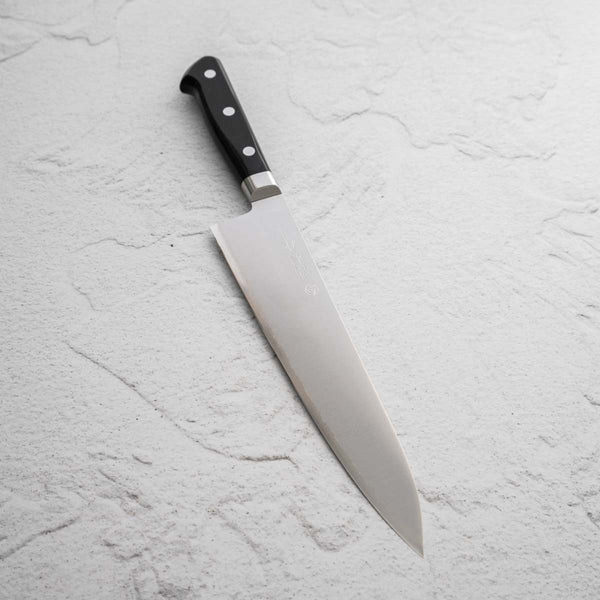
The Chef Knife: Why It Reigns Supreme in the Kitchen
In the culinary world, the chef knife stands out as the quintessential tool that graces the kitchens of both amateur ...
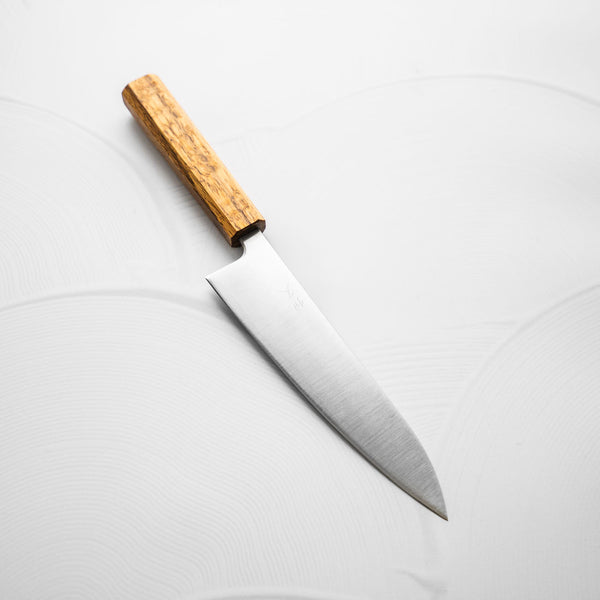
Discover Melbourne's Finest Japanese Knives at Chef's Edge
Melbourne, a city celebrated for its vibrant food scene and culinary diversity, is witnessing a revolution in kitchen...
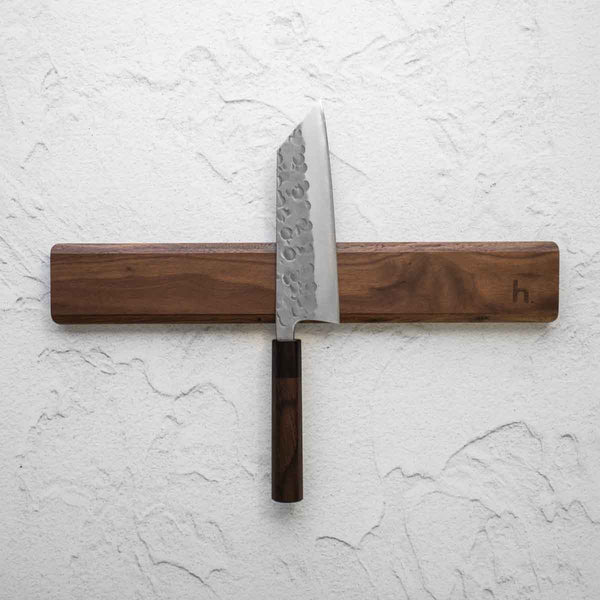
Elevate Your Cooking with Japanese Knives from Chef's Edge
In the bustling kitchens of Perth, a transformation is underway, all thanks to the exquisite Japanese knives availabl...
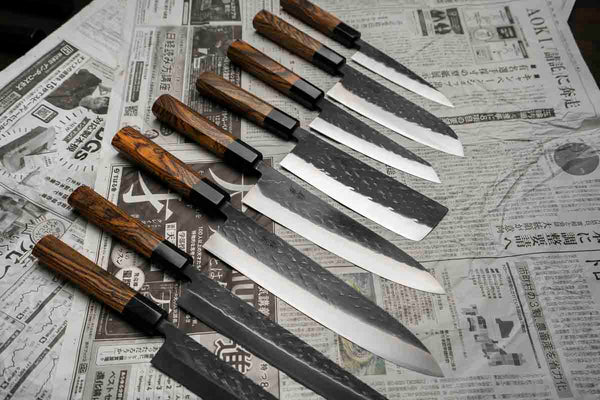
Unveiling the Mastery Behind Japanese Knives
In the realm of culinary arts, Japanese knives hold a prestigious status, revered not only for their functionality bu...
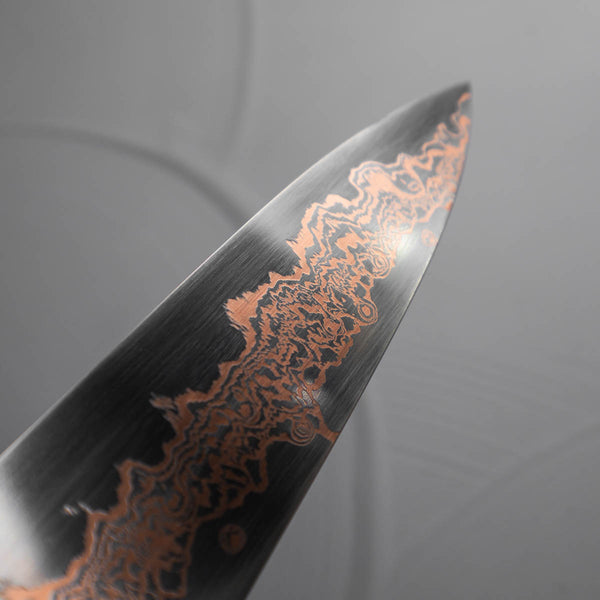
Why Professional Chefs Prefer Japanese Knives
Professional chefs around the world have a profound respect for Japanese knives, often citing them as their preferred...
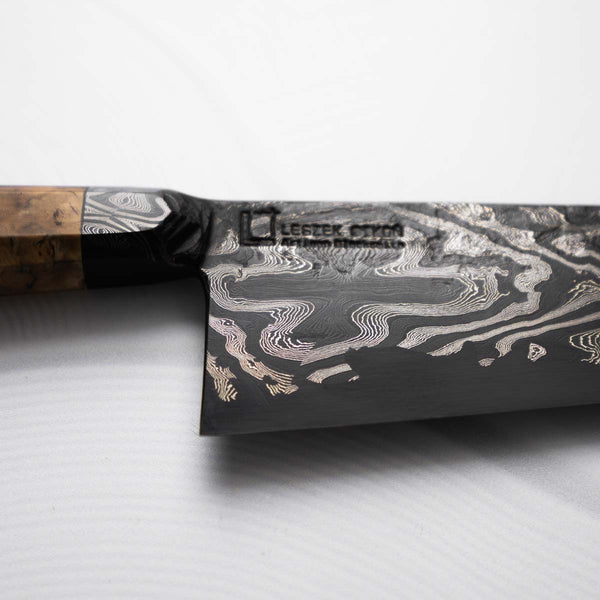
Choosing Your First Japanese Knife: A Beginner's Guide (2024)
Embarking on the culinary journey with a Japanese knife in your hand is like starting an art project with the finest ...
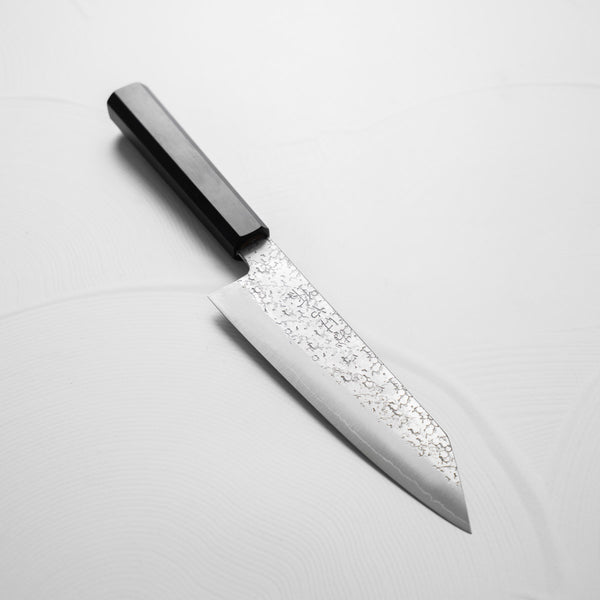
Exploring the Art of Japanese Knife Making
Japanese knife making is an art form steeped in tradition and innovation, resulting in blades that are renowned world...
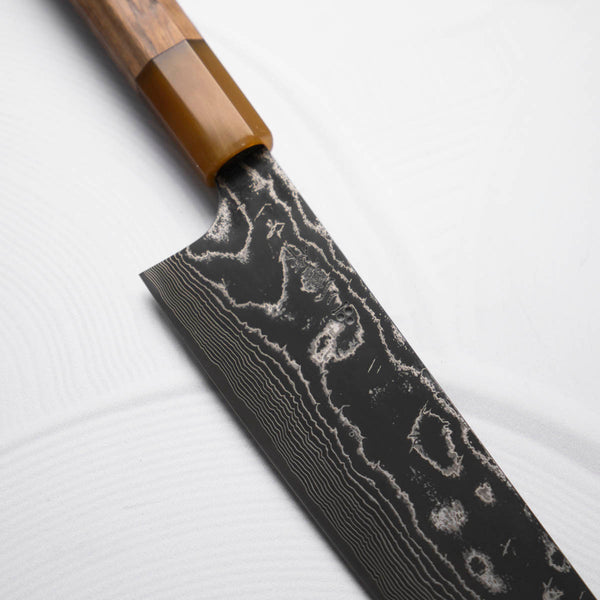
The Ultimate Guide to Japanese Chef Knives (2024)
In the world of culinary arts, Japanese chef knives stand out for their precision, balance, and beauty. These knives ...
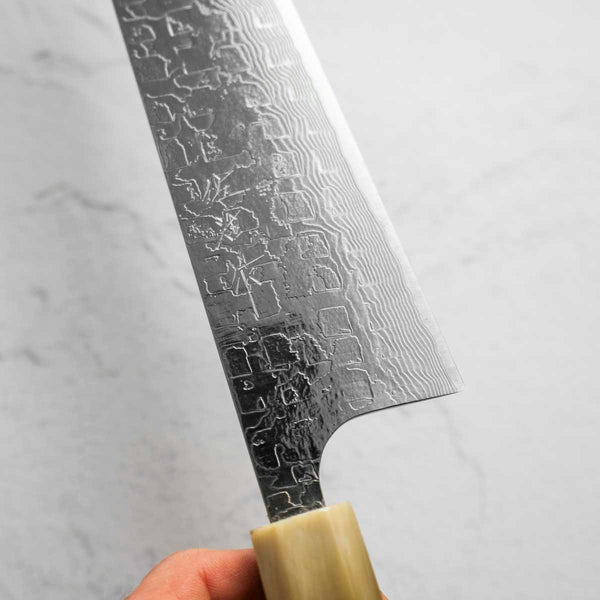
Mastering Japanese Knife Care: Preserving the Excellence of Your Blades
When you bring a Japanese knife into your kitchen, you're not just adding a tool; you're embracing a piece of culinar...
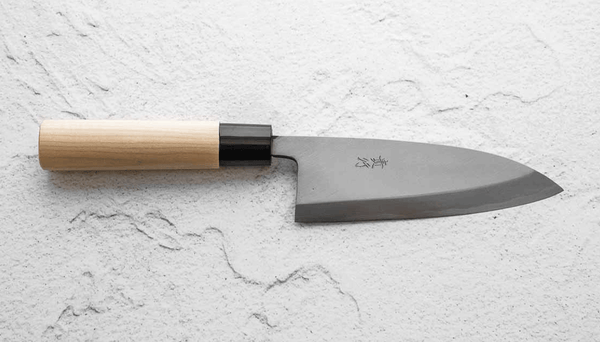
Japanese Knives: The Deba
The Deba is a traditional Japanese carving knife that’s commonly used in the preparation of fish. It’s one of the old...
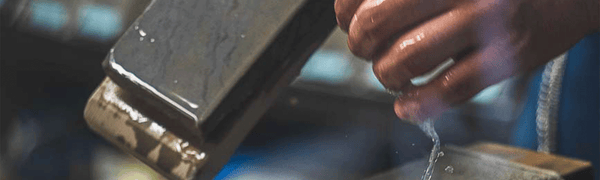
Whetstones - Which grit do I need?
You’ve got your knives, and now you need to keep them in good condition. After all, even the sharpest knife made from...
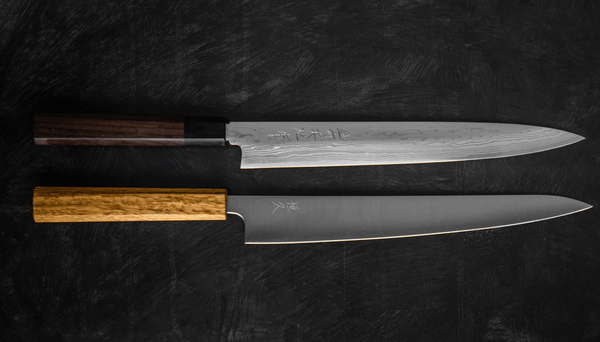
Japanese Knives: The Sujihiki
Sujihiki is one of many specialist Japanese knives that serves a single purpose within a traditional Japanese kitchen...
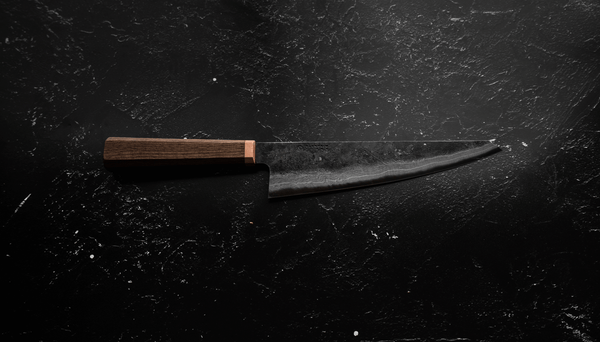
Japanese Knives: The Petty
Petty knives are one of the most common types of knives found in Japanese kitchens after the Gyuto. They’re well-love...
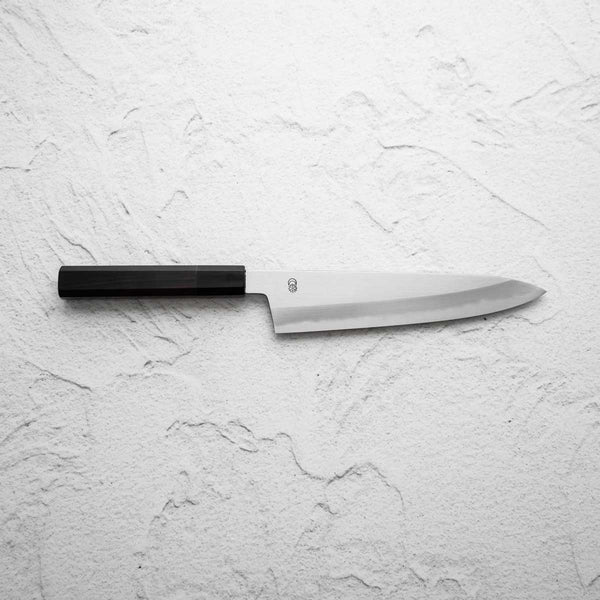
Chef Knife vs Santoku | What is the Difference? | Chef's Edge
Chef Knife vs Santoku: What's the difference? Learn which blade shape suits your cooking style best in our detaile...
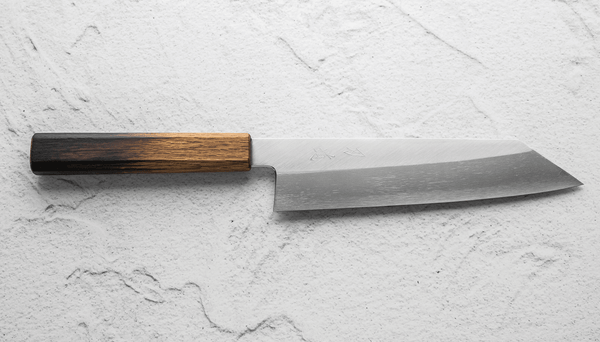
Japanese Knives: The Kiritsuke
The Kiritsuke is a traditional Japanese knife that dates back to before the Meiji era in Japan, or before 1868. Unlik...
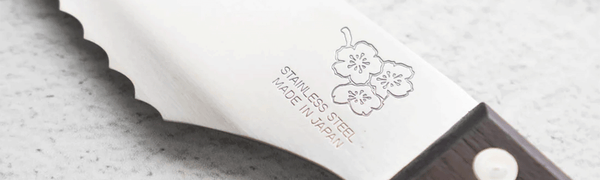
How to choose the best bread knife
Most people put all of their attention towards chefs' knives in the kitchen, trying to find the perfect all-around bl...
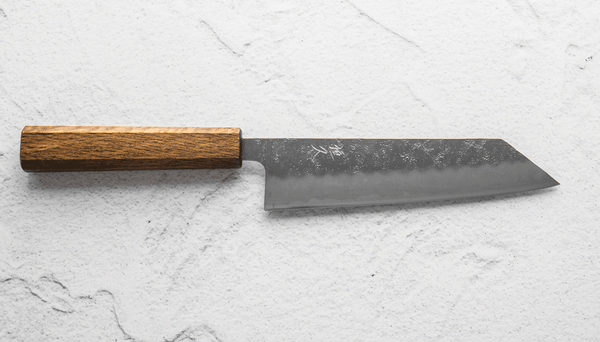
Japanese Knives: The Bunka
The Bunka is an all-purpose Japanese chef’s knife that originated during the Meiji era in Japan. It’s often considere...
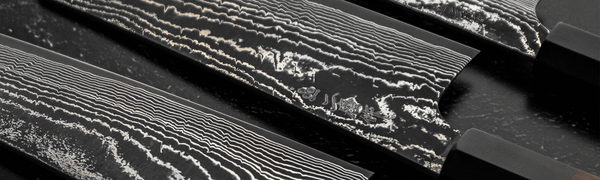
Is there a difference between Damascus steel and stainless steel?
When you’re looking for knives for your kitchen, the material of the blade is an important consideration. After all, ...
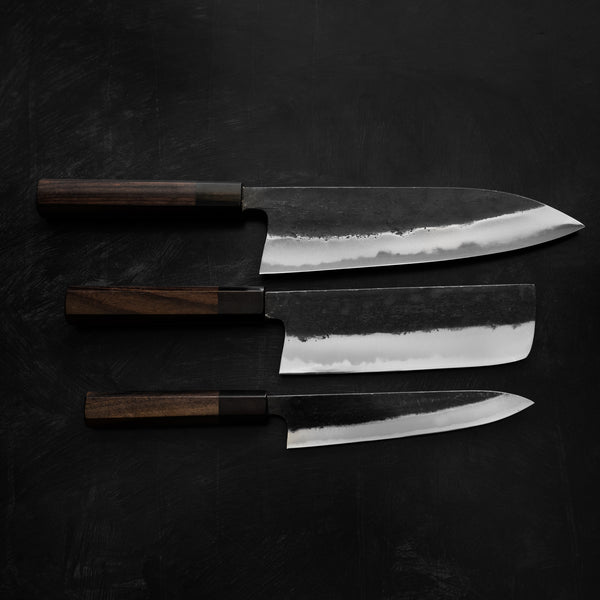
What do people mean when they say high-performance kitchen knives?
When you start thinking about buying a knife, you might not know the difference between a standard knife and a high-p...
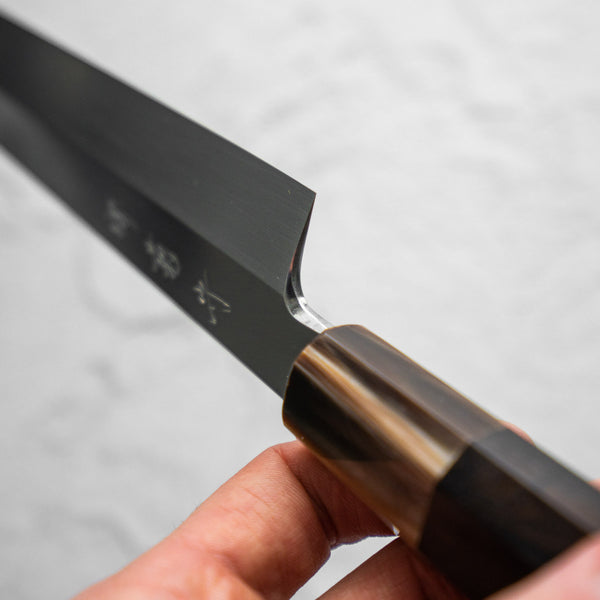
Guide to buying a chef’s knife
If you’re a budding home cook or you’re looking to start working as a chef, you’ll need a knife that’s fit for the ro...
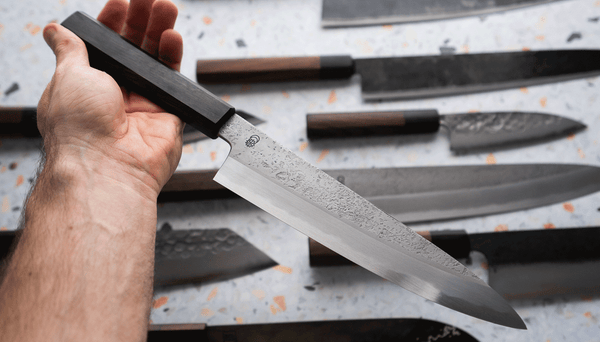
Japanese Knives: The Gyuto
The Gyuto is a Japanese knife that originated during the Meiji era in Japan between 1868 and 1912. Today, it’s a popu...
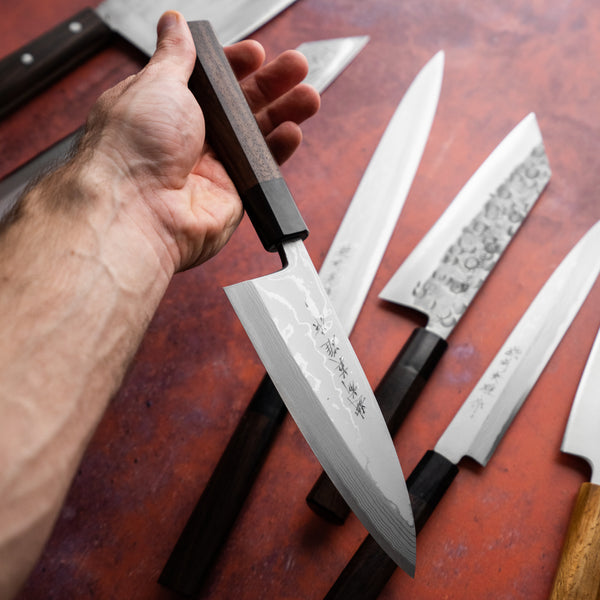
Forged vs Stamped - what is the difference?
So you’ve decided you need some new kitchen knives, but how do you know what to buy? With so many brands and designs ...
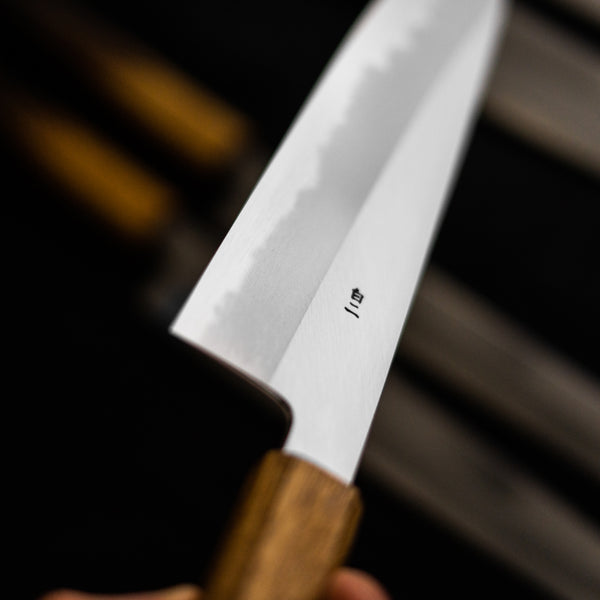
What is the Rockwell Hardness Scale and why does it matter?
The Rockwell Hardness Scale is used to measure how hard a knife is. It works by applying a diamond point to the steel...
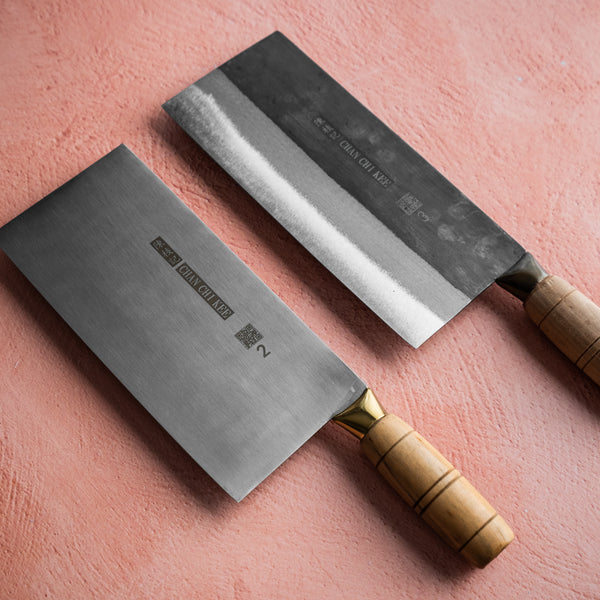
The best knife for cutting vegetables
Veggies are an essential part of every diet, and an easy way to make sure you’re getting enough of them is to choose ...
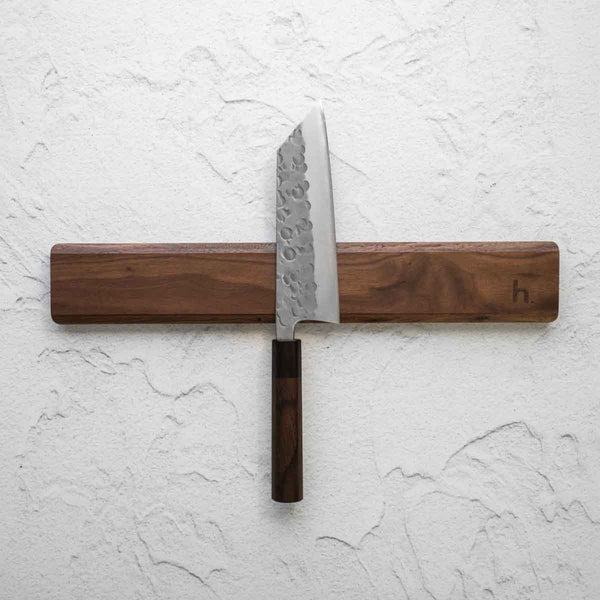
The Best Way To Store Your Japanese Knives
Japanese knives are one of the most popular kinds of knives for home chefs. They're high-quality, and they have a rep...
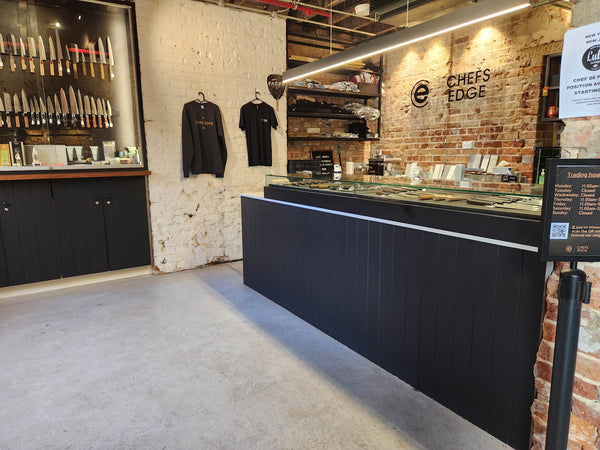
Japanese Knives in Perth
Chefs Edge prides itself on being the only authentic artisan Japanese knife store in Perth. Unlike other Japanese kni...
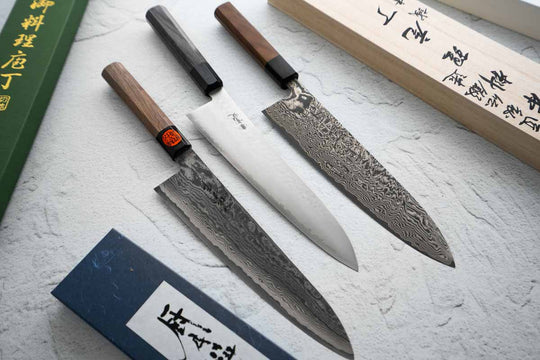
Why Are Japanese Knives So Sought After?
Japanese knives are some of the most sought-after in the world. They have a reputation for being razor-sharp, excepti...
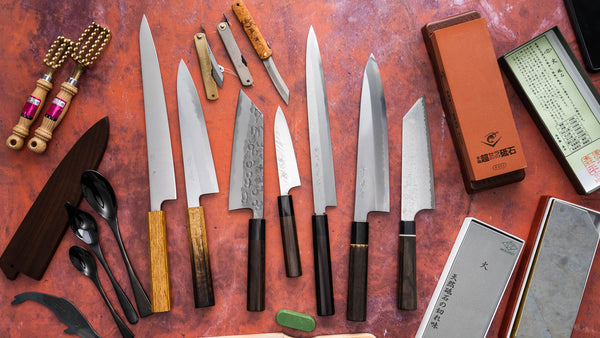
Why Are Japanese Knives Never In Stock?
The Japanese knife industry is constantly producing new knives, and the demand for them is huge. The majority of thes...
 Best Gift
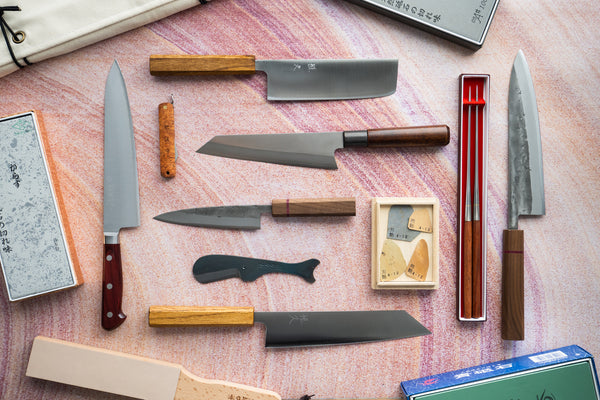
Gifting A Japanese Knife - Making the right choice
Which Japanese knife makes the best gift? Whether it’s a special birthday or an anniversary gift, a fine Japanese kni...
 Blue-Steel
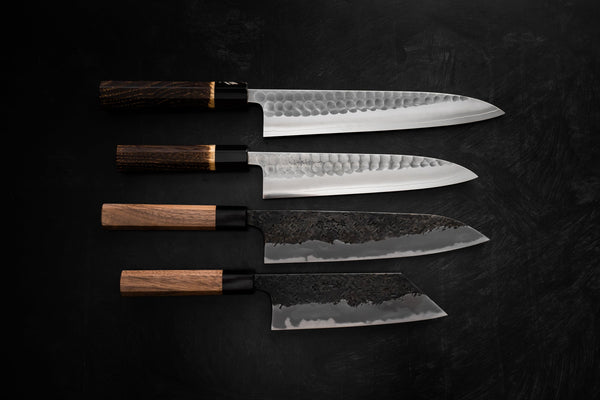
Carbon Steel v Stainless Steel. What's Better?
Often a common question among newcomers to Japanese knives is the decision to make between carbon and stainless steel...
Double Bevel Knife Sharpening — How to Do it Right
Double Bevel Knife Sharpening Double bevel knives are incredibly versatile. They are one of the most commonly found k...
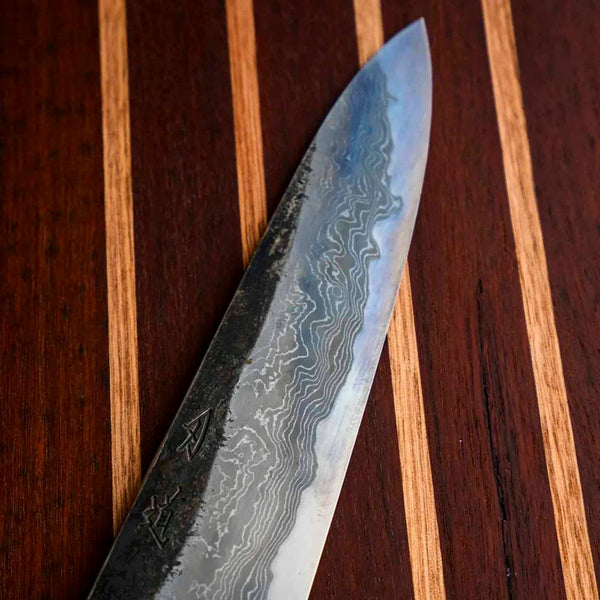 blade materials
The Patina Marks on Your New Knife
Why are there marks on my new knife? It may come as a shock to some to find stains and marks on your new expensive kn...
 chef knife
Japanese Chef Knives - The Gyuto
When we talk about Japanese chef knives, the one you may be most familiar with is the Gyuto. Let’s dive into the o...
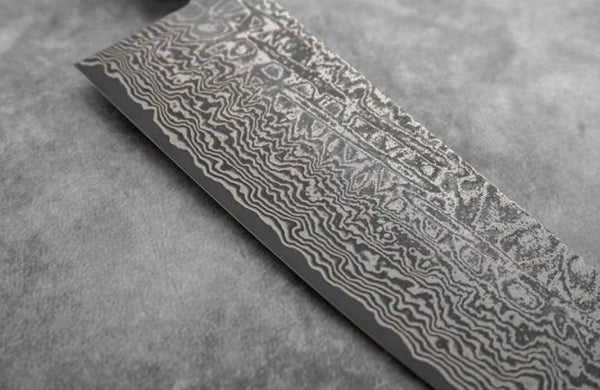 Damascus steel
Damascus Steel Kitchen Knives | Guide & Info | Chef's Edge US
Learn about Damascus steel kitchen knives. Discover the history, performance benefits, and aesthetics of layered ste...
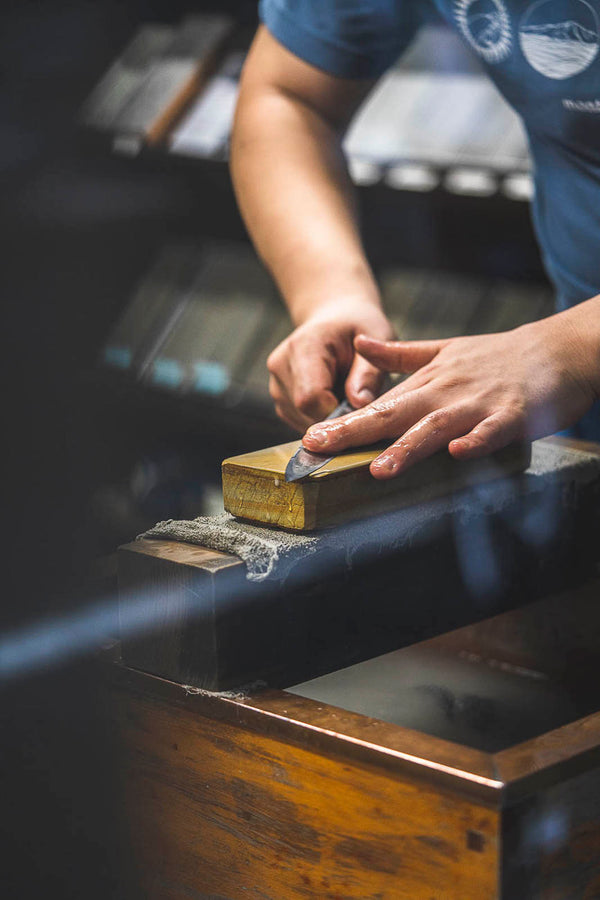 blade materials
Caring for your Japanese Chef Knife
Japanese chef knives need a little more care than your regular off the shelf knives. But don’t be afraid, looking aft...
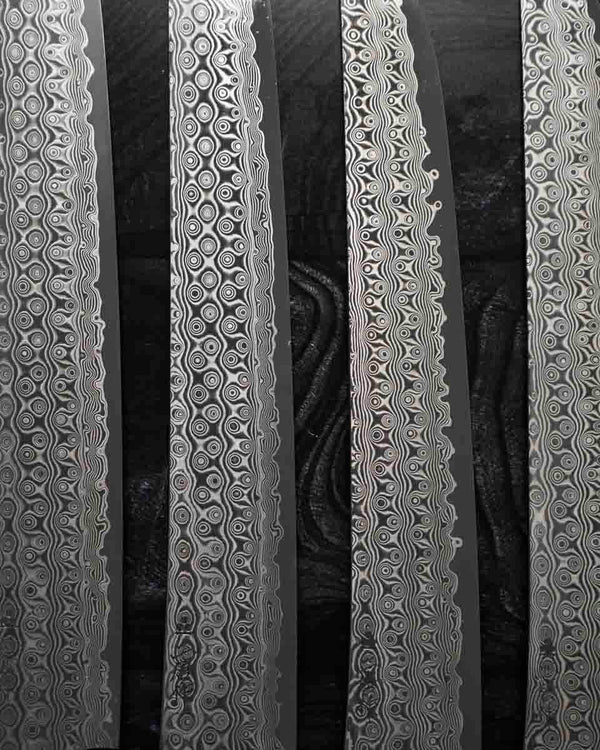 blade materials
Guide to Japanese Knife Steels | VG10, Blue, White | Chef's Edge
The core steel of your knife determines its sharpness, durability, and ease of sharpening. In this definitive guide, ...
 bunka
bunkaJapanese Chef Knife Types
Whether you’re a home cook, amateur chef or a professional, we all need a good set of knives in the kitchen. For m...
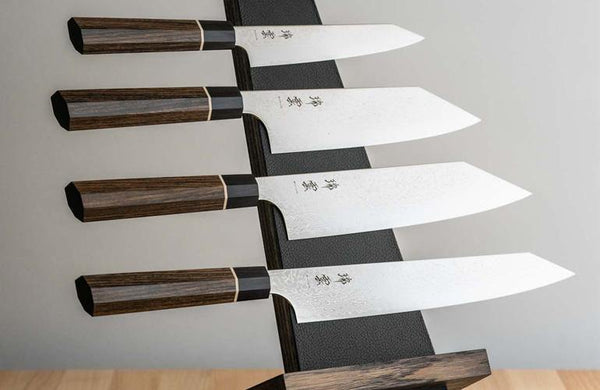 Japanese Knives
Why Japanese Knives
Why Japanese Knives USA? Take a dive into the wonderful world of Japanese chef knives, and why they’re co...
 bunka
bunkaA Guide to Japanese Knives (2021)
A Guide to Japanese Knives In the culinary world, Japanese knives are highly praised. We're here to tell you that the...
 blade materials
How to Make a Japanese Knife
How to Make a Japanese Knife Many people have a deep and entirely justifiable fascination with Japanese knives. Sharp...
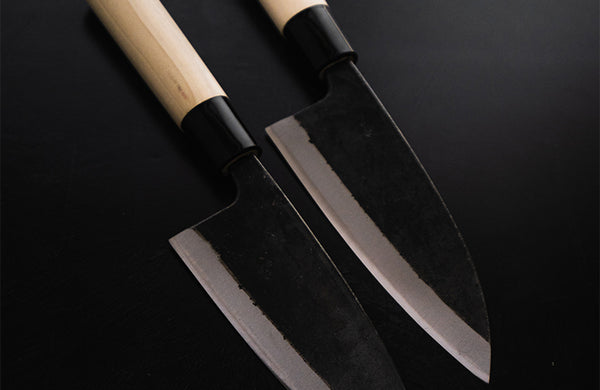
Affordable Japanese Chef's Knives
For any keen cook or an aspiring chef, a great knife will transform meals and rejuvenate the kitchen. It can help tak...
 blade materials
Choosing The Right Chef Knife For You
Never heard of a Gyuto? No idea what SG2/R2 is? Double or Single Bevel? Don’t panic, we’ll explain what you need to k...